

Understand the identifier
An ISBN identifies a published monographic product, including its edition and format. The same work may have different numbers for a paperback, hardback, digital file or new translation. It is not a rating of literary quality, rarity or authenticity. Use it to identify the publication, then ask separate questions about the individual copy.
Find the complete number
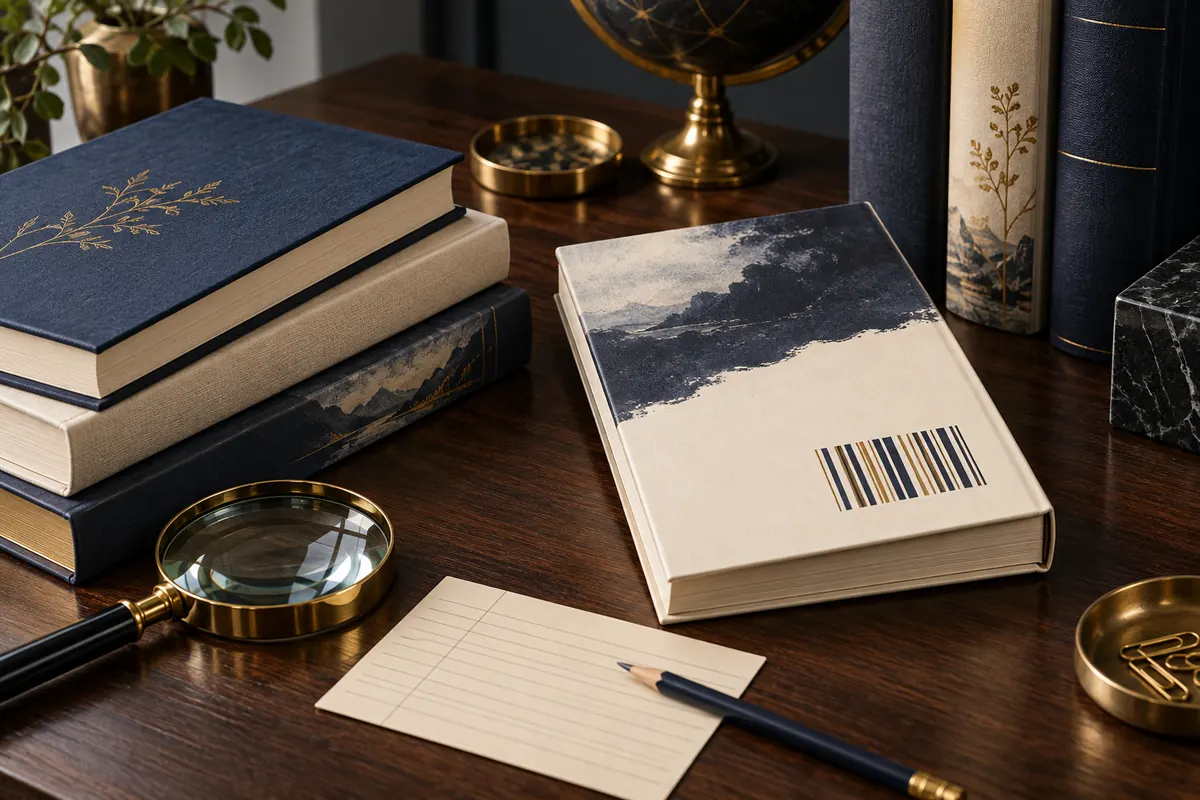
Look near the barcode on the back cover or in the publication information inside the book. Bookshop and library records can also provide it. Modern ISBNs contain thirteen digits, sometimes separated by spaces or hyphens; older references may use ten characters. Copy the entire number and check the last character instead of guessing it from a partial photograph.
Compare more than the number
Check title, author, publisher, series, date and format alongside the ISBN. A catalogue entry may contain a typing mistake or information copied from another version. A changed cover does not automatically mean a different edition: a reprinting can alter its visual presentation. Bibliographic details are more useful than cover colour alone.
Avoid format and translation errors
Printed, digital and audio versions serve different purposes and may have separate identifiers. For a school book, also check year, level, supplements and digital access. For a translated work, record the translator’s name. The ISBN and these details together make a request clearer than the title alone.
Use it in an order
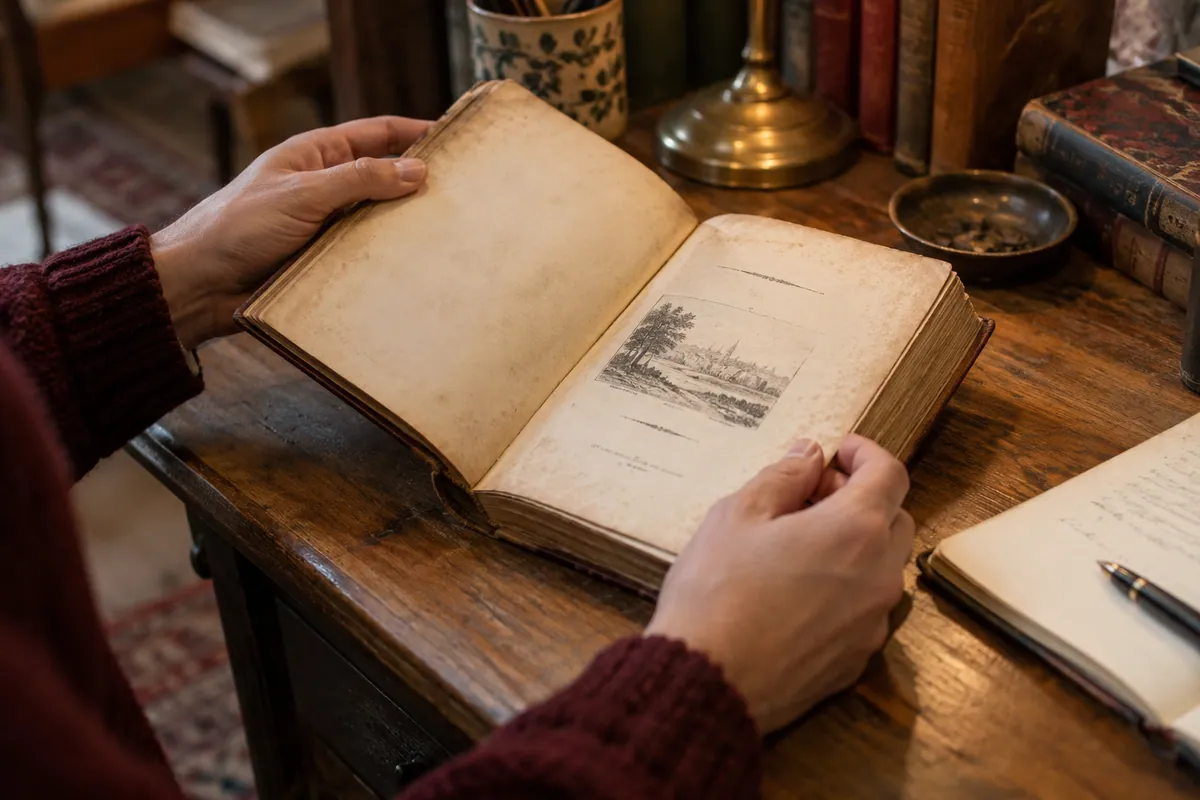
Send the full number with the title and author. The bookseller can then check the exact reference, supply channel, price and timing. An older book may have no ISBN. In that case, use publisher, year, dimensions, pagination and printing information, ideally supported by readable photographs of the title and publication pages.
Keep its limits clear
An ISBN does not establish that a copy is complete, signed, genuine or in good condition. It may not distinguish individual printings sharing the same publication reference. For a collectible edition, examine the book’s bibliographic pages and ask for a physical description. The browser tool checks the mathematical key, not a publisher’s assignment database.