

Choose a teaching purpose
Explore the bookseller’s work, publishing chain, genres, reading choices or an author meeting. Choose a main aim to guide questions and duration. French programmes such as Jeunes en librairie have their own framework; your local visit may have another form. Check the project’s actual conditions instead of assuming programme participation.
Contact a suitable shop
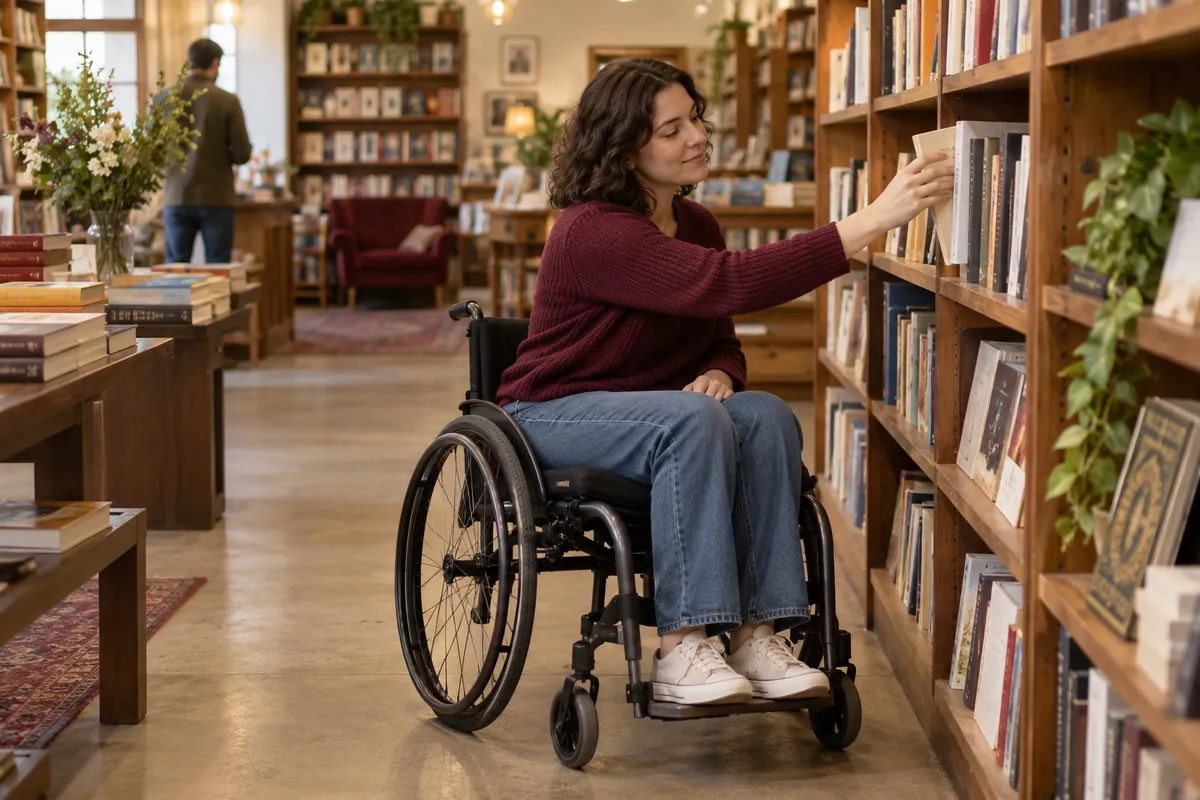
Present class level, number of students, date possibilities and access needs. A small shop may prefer successive groups or a preparatory conversation. Inclusion in the directory does not imply acceptance of class visits. Design a feasible format with the team and its normal activity.
Agree the programme and budget
Plan introduction, exploration and questions. If purchases are intended, specify who pays, available amounts, allowed kinds of books and handling of price differences. Ask whether selections can be prepared. Do not presume an individual purchase without prior agreement between the school and shop.
Prepare the students
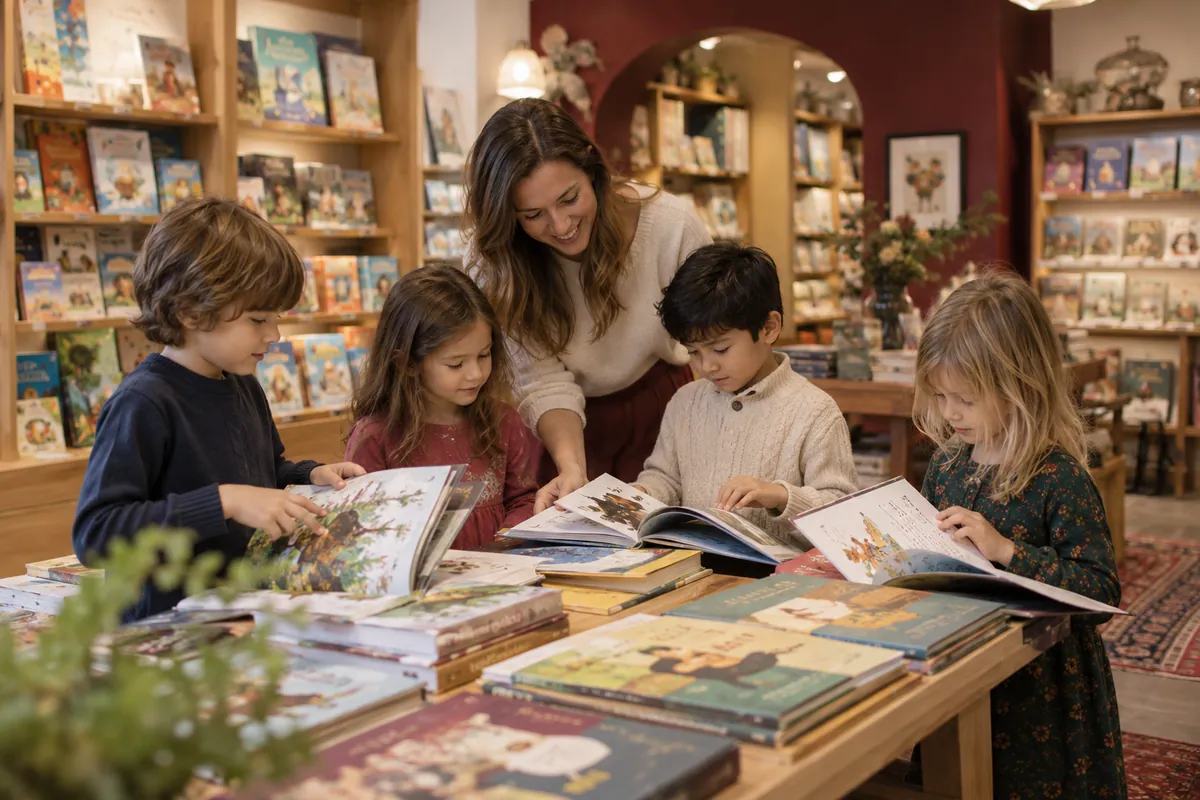
Explain circulation around other customers, careful handling and permission before photography. Prepare brief questions on the profession, orders, publishers or choosing a book. Notes can help retain discoveries without turning the visit into a mechanical questionnaire. Make behaviour and expectations understandable beforehand.
Follow school procedures
Confirm applicable authorisations, supervision, transport and access arrangements with the school’s responsible staff. Rules depend on the project and institution; this editorial guide does not replace French education procedures. Give the shop the final attendance, arrival time and a reachable contact for that day.
Continue afterwards
Discuss books chosen, reasons and the bookseller’s answers. An oral presentation or reading display can extend the experience. Thank the team and give useful feedback. Publishing pictures of students or staff requires the relevant permissions; do not infer these from attendance at the visit.