

Identify a question
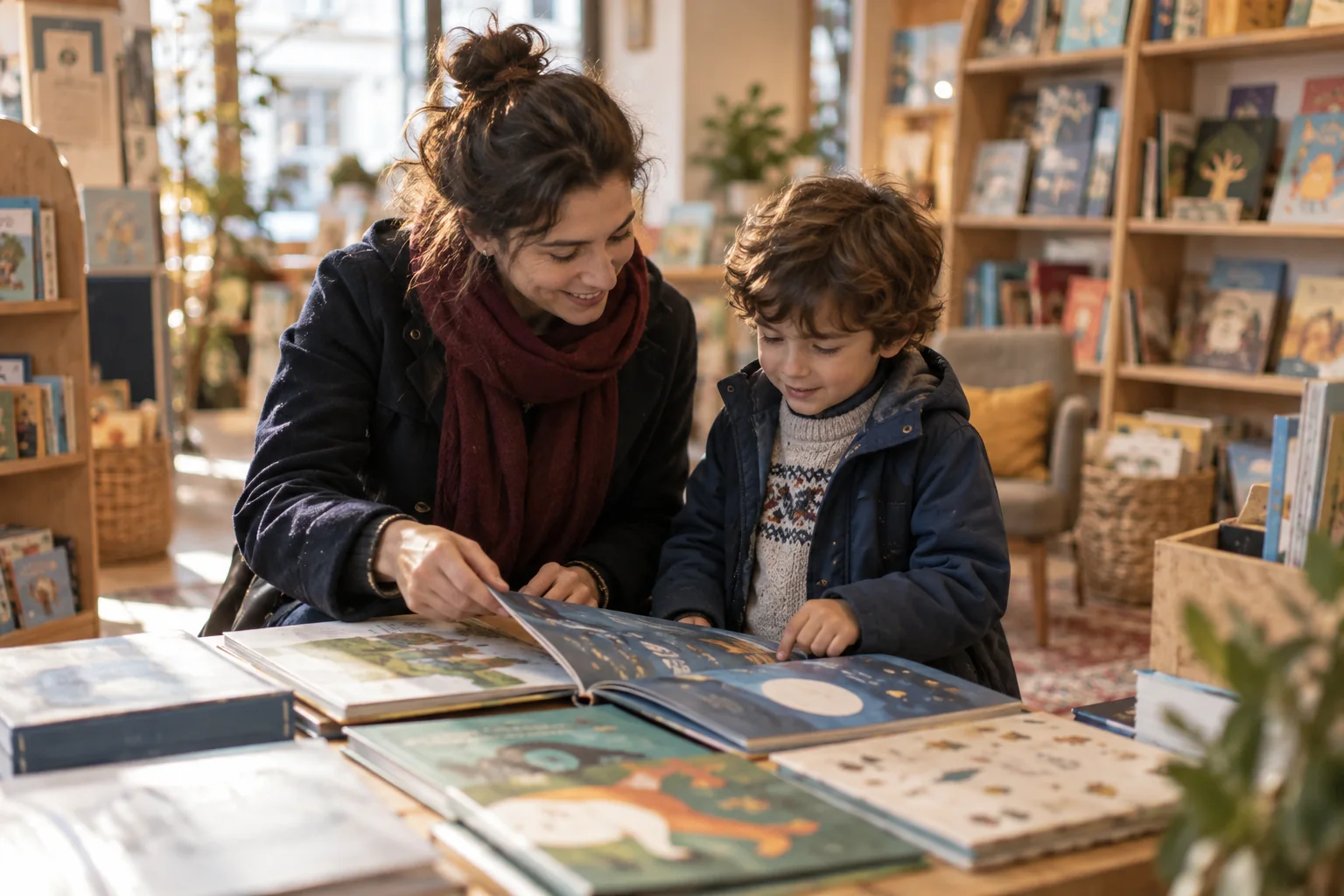
Ask what the child wants to understand, such as plant growth, changes to a town or a machine’s operation. A broad theme may conceal a specific question. For school work, note the teacher’s instructions. For personal reading, leave room for discoveries without making every page an exercise.
Try a spread
Check sentence length, new vocabulary and explanations. Can the reader follow between text, image and caption? Dense pages may suit shared reading while lighter ones may help independent exploration. Compare more than one topic because a spectacular spread may not represent the whole book.
Question the images
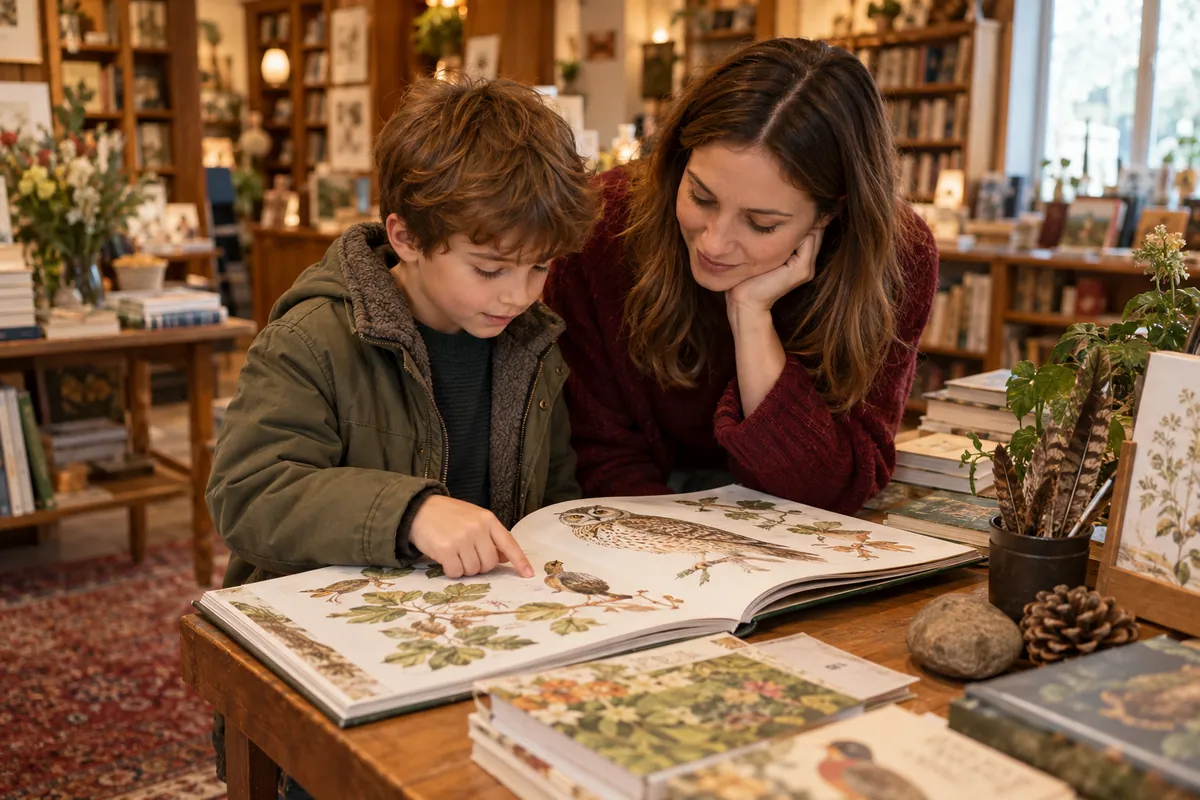
Distinguish photographs, explanatory drawings, diagrams and reconstructions. Read captions and relevant place or date information. Explained images can teach more than attractive unexplained ones. Check scale and colour conventions where readers may take them literally. A computer-generated scene is not photographic evidence of an event.
Inspect documentary references
Look at authors, contributors, publication date and further-reading leads. Youth literature selections can identify options but do not remove the need to browse. For changing subjects, check announced revisions. A book’s description as an encyclopaedia does not alone establish the accuracy of an assertion.
Plan further exploration
Find a suitable index, glossary or bibliography. Save a new question and compare an answer with another resource. For an activity, inspect instructions and required supervision before trying it. The useful book supports further enquiry even when read by questions rather than from beginning to end.